The Wound Wrapped in the Sacred
Before you read: this piece talks about suicide and abuse. If you're carrying something heavy right now, be gentle with yourself as you go, and know you can call or text 988 anytime to reach someone who will listen.
The point was never that Ryan Stollar died. It's that the wound he spent his life trying to bring into the light still lives in the shadows.
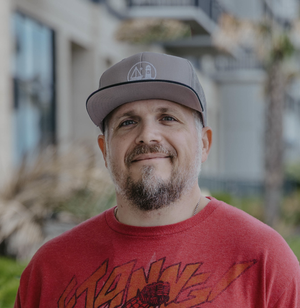
Ryan died by suicide on June 28, 2026. He was 42, and for most of his adult life he gave himself to a single mission: helping people name a kind of harm they'd been taught not to see. He wrote and spoke and fought for children who were hurt inside religious spaces, and for the grown versions of those children still carrying it. He gave people language for a wound that usually goes unnamed, because it comes wrapped in something sacred, and the ones carrying it were often taught that naming it was the sin.
I didn't know Ryan personally. In fact, until I read about his passing, I didn't know much about him at all. But I know the wound he spent his life pointing at. A lot of us do. And I want to talk about it here, because it's still hurting people who don't yet have the language for what happened to them.
The wound that comes wrapped in the sacred
Most people, when they hear the word abuse, picture something physical, or something obviously cruel. They don't usually picture a sermon. They don't usually picture a youth group, a Bible study, a family devotion, a meeting with a pastor.
But harm can travel through all of those. It can actually travel through them more easily than we like to admit, because they're the last places anyone thinks to look.
Religious and spiritual abuse is what happens when the sacred gets used against a person. When faith becomes a tool for control instead of comfort. When fear and shame are taught as holiness. When a child learns that their worth depends on their obedience, that their body is dangerous, that doubt is betrayal, that a hard question is the same as walking away from God. When an institution protects itself instead of the people it was meant to protect and calls that protection godly.
This isn't the same as simply questioning your beliefs, or growing up and drifting from the faith you were raised in. And it isn't a claim that religion is bad, or that religious people are cruel. Most aren't. It's something more specific and more painful than that. It's the injury of being hurt through the very thing that was supposed to be safe, by the people who were supposed to love you, in the name of the God who was supposed to carry you.
That's what makes it so hard to see. When harm comes wrapped in the sacred, the person carrying it often can't recognize it as harm at all. Their whole framework tells them the problem isn't what was done to them. The problem is them. They weren't faithful enough, not grateful enough, not pure enough, not obedient enough. The wound and the explanation for the wound come from the same source, so there's nowhere to stand and say, that was wrong, and it was done to me.
Why no one names it
You'd think that even if the person can't name it, someone around them could. A pastor. A church. A friend. A therapist.
Often, no one does.
Some religious institutions struggle to see it, because seeing it can require an honest reckoning with themselves. It's hard to name a harm when naming it means taking an honest look at your own leaders, your own teachings, your own history. So it gets renamed instead. A rebellious phase. A crisis of faith. An attack from the enemy. Anything but what it really was.
And the clinical world, the one I work in, doesn't reliably catch it either. A therapist might be trained to recognize trauma, or to honor a client's faith, or to work across cultures, and some even share their client's tradition. But religious and spiritual harm sits in a space between all of those. Many trainings catch part of it, but clinicians often receive little integrated preparation for the way faith, trauma, culture, and institutional power overlap. So a person can walk into a therapy office carrying this wound, describe it in detail, and still walk out without anyone having named it.
This is the thing Ryan understood, and it's the thing that kept him working. The wound is real. It's nameable. And still, over and over, the people who want to help have difficulty naming it. So the ones carrying it go years, sometimes their whole lives, believing they're simply broken. They’re the problem.
Why I care
I don't write about this from afar.
Before I was a therapist, I did the Bible college thing and spent about a decade in ministry. To this day I still hold my personal faith closely. I've stood at the front of the room. I've also sat across from the people the room hurt. I've been close enough to religious life to love what's good in it, and close enough to see clearly what it can do when it goes wrong.
None of this is theory to me, and it isn't a grievance toward religion either. It's something I've watched land on real people, and something I've had to sort through in my own life and faith. When I read about the people Ryan reached, and the language they finally had for what happened to them, I recognize it. That recognition is a lot of why I do the work I do.
What Ryan gave us
Ryan's death was not simple. In the final writing he left publicly, Ryan described many things that had worn him down over the years, including the years he spent doing this work. He carried his burdens a long time, and often quietly. Ryan was a whole person, not a lesson or a cautionary tale. I'm not going to reduce his life, or his death, to a single explanation. No one gets to do that.
What I can speak to is his life, and what it gave.
He spent it handing people language and hope they didn't have. He told survivors that what happened to them was real, that it had a name, that it wasn't their fault and not a failure of their personal faith. For a lot of people, that was the first solid ground they'd ever stood on. You can see it in how they're grieving him now, in how many are saying some version of the same thing: he helped me understand that I wasn't crazy, and that I wasn't alone.
That work doesn't die with him. The language he handed people, they still have. Likewise, the wound he spent his life pointing at is still out there, still wrapped in the sacred, still going unnamed in rooms where it should be recognized. Which means the work isn't finished. It was never going to be finished by one person. He simply refused to let it go unnamed on his watch.
I don't want to hold him up as a martyr, and I don't think he would've wanted that either. I want to pick up the small, specific thing he was doing and keep doing it. Naming the wound. Saying it plainly. Making it a little less invisible than it was yesterday.
If this is your wound
If any of this hits close to home, if you read the part about being hurt through the sacred and felt something go tight in your chest, I want to say a few things clearly.
What happened to you was real. What you experienced may fit what clinicians and survivors call religious or spiritual abuse, and its impact can include religious or spiritual trauma. It wasn't your fault, and it wasn't a failure of your faith or your character. You're not broken, and you're not alone, however alone it has felt.
Naming your experience and your pain isn't a betrayal of your faith or your tradition. It's the beginning of healing. You don't have to have your beliefs all sorted out to begin, and you don't have to land anywhere in particular. And while there honestly are not enough of them, there are therapists who understand both faith and trauma and the impact of this type of abuse. There are also other people who have carried this and come through it. You don't have to do this by yourself.
And if the weight ever feels like too much to hold, please reach out for support. You can call or text 988 anytime, day or night, and reach a real person who will listen.
Ryan spent his life trying to make this wound visible. The most fitting thing the rest of us can do is keep the light on.
Go deeper
- To learn more about Ryan and the community grieving him: "Ryan Stollar Taught Survivors They Mattered. He Couldn't Always Believe It for Himself" (Religion News Service), a tender, honest reflection written by a fellow survivor. It discusses his death, so read it gently.
- To understand the wound itself: Karen Roudkovski, Understanding Spiritual Abuse: What It Is and How to Respond (2024). A clear, compassionate guide from a licensed counselor, written for survivors, helpers, and church leaders alike.
- The Religious Trauma Institute: education, resources, and support around religious and spiritual trauma, including help finding care.
- Broken to Beloved: a community offering support and healing for those wounded by the church.
If you're struggling: You can call or text 988, or chat through the 988 Suicide & Crisis Lifeline anytime. The service is available 24/7 and connects you with a trained crisis counselor. You do not have to wait until things feel unbearable to reach out. If what you're carrying is the kind of religious or spiritual wound this piece is about, a therapist who understands both faith and trauma can help you begin to name it.