
Healthy organizations make room for what people are carrying.
When burnout, disconnection, trauma exposure, conflict, or a difficult season begins affecting the work, another generic program is rarely the answer. Open Harbor helps leaders understand what is happening beneath the surface and build a response that fits their people, culture, and responsibilities.
Sometimes the problem is clear.
Sometimes everyone just knows something is off.
You don't have to understand the full picture of what's going on with your organization before you reach out. Part of the work is slowing down long enough to name the actual need.
People are exhausted, emotionally overloaded, or struggling to recover between demands.
A team has experienced crisis, trauma, loss, or a destabilizing transition.
Leaders want to support people well, but communication has become guarded, fragmented, or reactive.
Helping professionals are carrying the weight of the people they serve, and the organization needs a more trauma-informed response.
A training or difficult season surfaced questions that need a thoughtful outside perspective and sustained attention.
Listen First
Build What Fits
The process is collaborative. Open Harbor does not arrive with a prepackaged culture solution or pretend to understand the organization before listening to the people inside it.
Listen and assess
Begin with the people, pressures, history, and goals that shape the situation.
Clarify the need
Separate the visible problem from the deeper patterns, constraints, and unanswered questions around it.
Design the response
Choose the right combination of consultation, facilitated conversation, training, assessment, or resource development.
Facilitate the work
Create enough structure and psychological safety for people to engage honestly and productively.
Identify what comes next
End with practical recommendations, ownership, and a clearer path forward.
Ways We Might Work Together
These are examples, not packaged tiers. The right structure follows the actual need.
Depending on the situation, the work may result in leadership recommendations, a facilitated action plan, a team learning series, a practical response framework, or a clearer set of priorities for what happens next.
Leadership consultation
A thoughtful outside perspective for leaders navigating burnout, staff wellbeing, conflict, crisis aftermath, difficult decisions, or organizational change.
Team learning and facilitated conversation
Structured space for teams to understand a shared challenge, develop common language, and practice healthier ways of responding.
Organizational assessment
Focused exploration of a concern through conversations, existing information, and a review of how the issue shows up across culture and practice.
Training series
A connected sequence that allows people to learn, apply, reflect, and build shared habits over time.
Resource and framework development
Practical guides, response frameworks, conversation tools, or internal resources tailored to the organization’s context.
Clarity without pretending the system is simple.
Depth
Clinical depth without turning the workplace into therapy.
Years of counseling, trauma-informed care, and clinical-leadership experience, with clear respect for the difference between consultation and treatment.
Honesty
Difficult conversations without unnecessary drama.
Room for hard realities without forcing disclosure, performing vulnerability, or treating discomfort as failure.
Usefulness
Practical recommendations without false simplicity.
Next steps people can use, with honesty about structural limits, competing responsibilities, and the time meaningful change can take.
Capacity
Partnership without dependency.
The goal is to strengthen the organization’s own clarity and capacity, not make Open Harbor the permanent answer to every challenge.
People, relationships, leadership, and systems all matter.
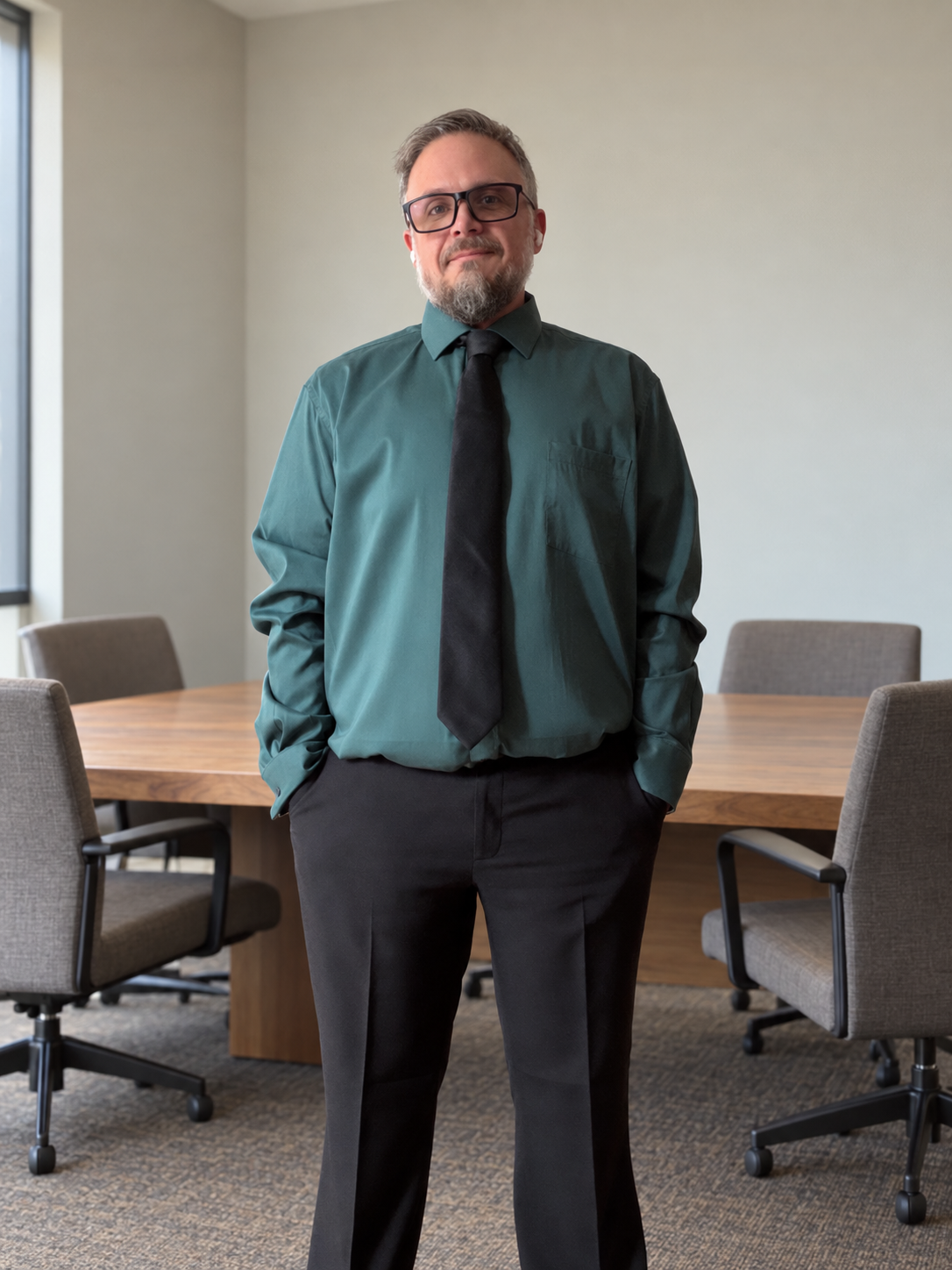
Chris brings experience from clinical leadership, counselor education, program development, crisis and trauma response, community training, and work with organizations navigating emotionally demanding responsibilities.
That background supports a broad view of organizational wellbeing: individual people matter, relationships matter, leadership matters, and the systems around them matter too.
Steady partnership when the work is heavy.
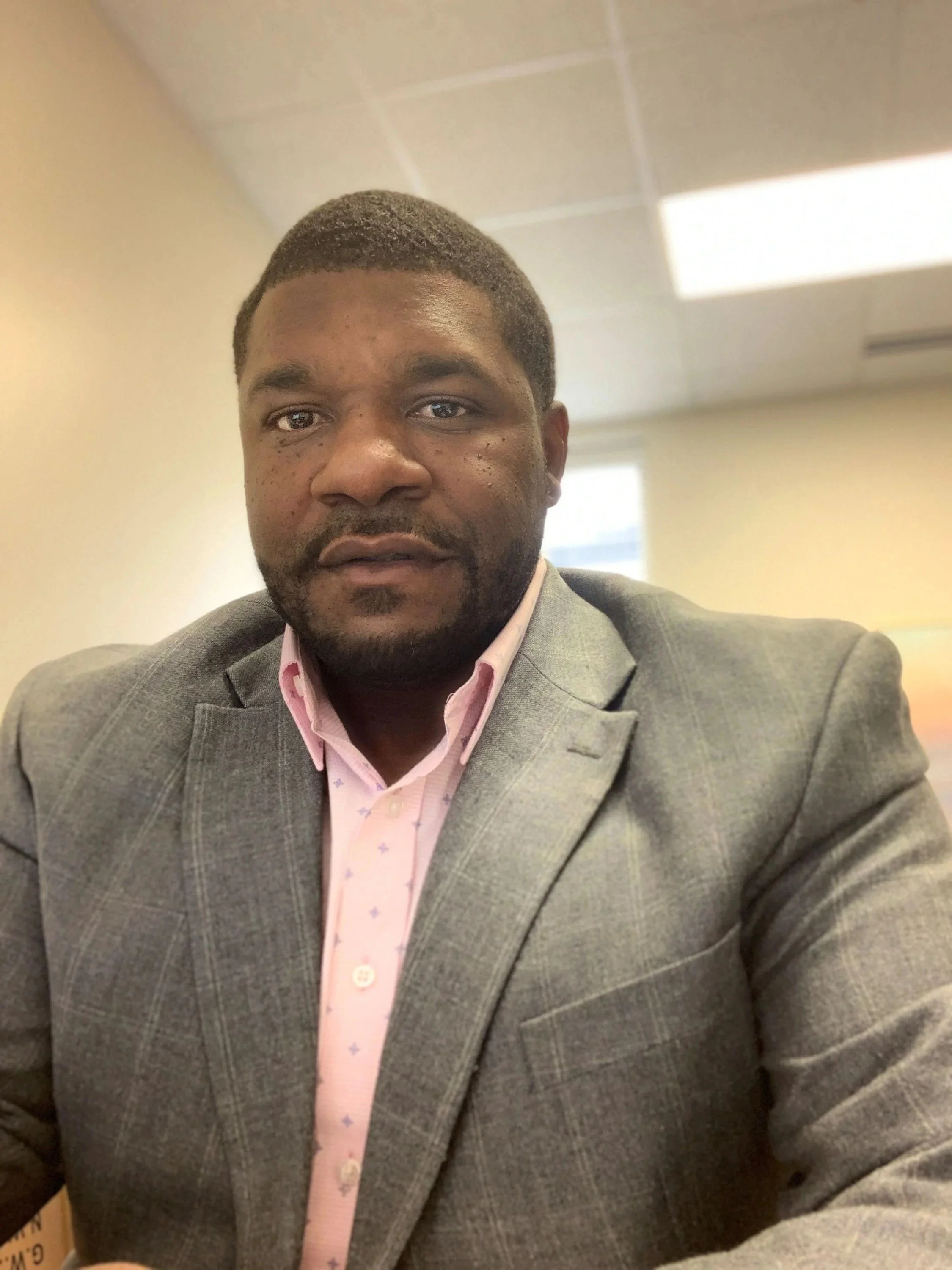
“Chris brings professionalism, flexibility, and compassion. He’s helped our team and clients move forward with healing and strength after mass trauma.”
Mark Hayes, LCSW
VB Strong Center
Before the first conversation.
Do you work only with mental-health organizations?
Not at all. My clinical and trauma-informed background shapes how I understand people and organizations, but I work with nonprofits, businesses, community groups, faith communities, and other teams doing meaningful or emotionally demanding work.
Can consulting include training?
Absolutely. Sometimes training is the right starting point, and sometimes it becomes one part of a larger partnership. We’ll talk about what your people actually need and whether training will help move things forward.
Do you offer fixed consulting packages?
Possibly, but I don’t want to prescribe a package before understanding the need. We can first look at what is happening in your organization and then talk about what the work could look like, whether that is a focused consultation, an assessment, a training series, or a longer partnership.
Is this confidential?
We’ll be clear from the beginning about who is involved, what information may be shared, and how sensitive conversations will be handled. I do not share information beyond the people and purposes we agree are part of the work unless there is a legal or safety obligation to do so.
How is consulting different from counseling or therapy?
Consulting focuses on the organization: its people, leadership, culture, systems, and shared work. I may draw from clinical knowledge, but I’m not diagnosing or treating individual employees, and the consulting relationship is not therapy. If someone needs individual mental-health support, we can talk about the appropriate next step without turning the workplace into a counseling room.
You do not have to know exactly what to call the problem.
Tell me what you are noticing, what your people are carrying, and what you hope could be different. The first conversation is about understanding the situation and deciding whether Open Harbor is the right partner.
We can begin with a clear, thoughtful conversation about what your organization needs.